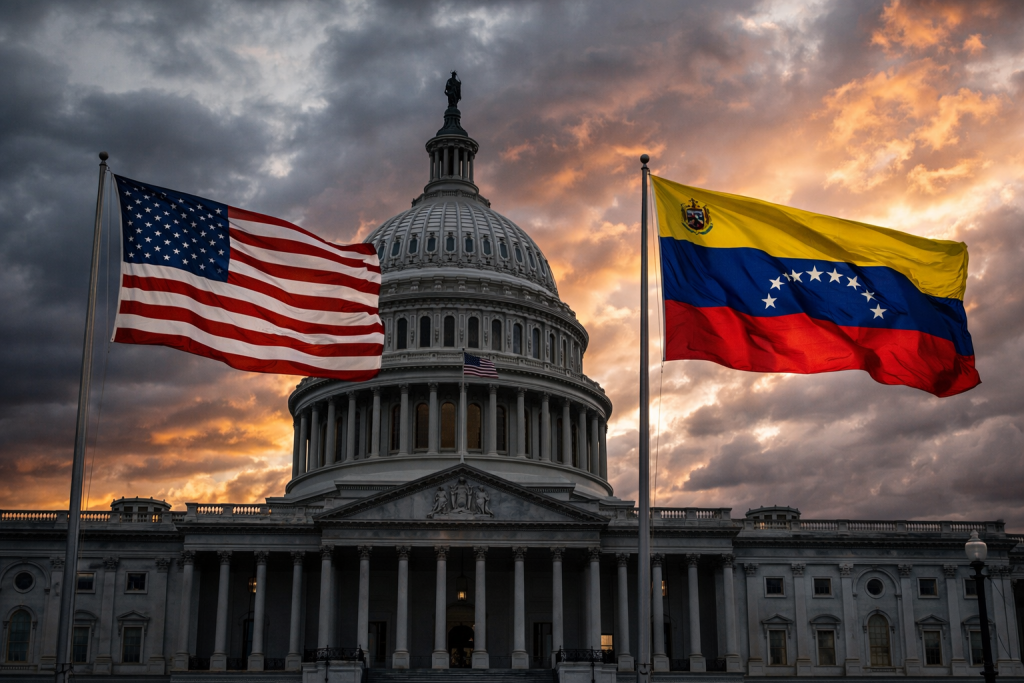

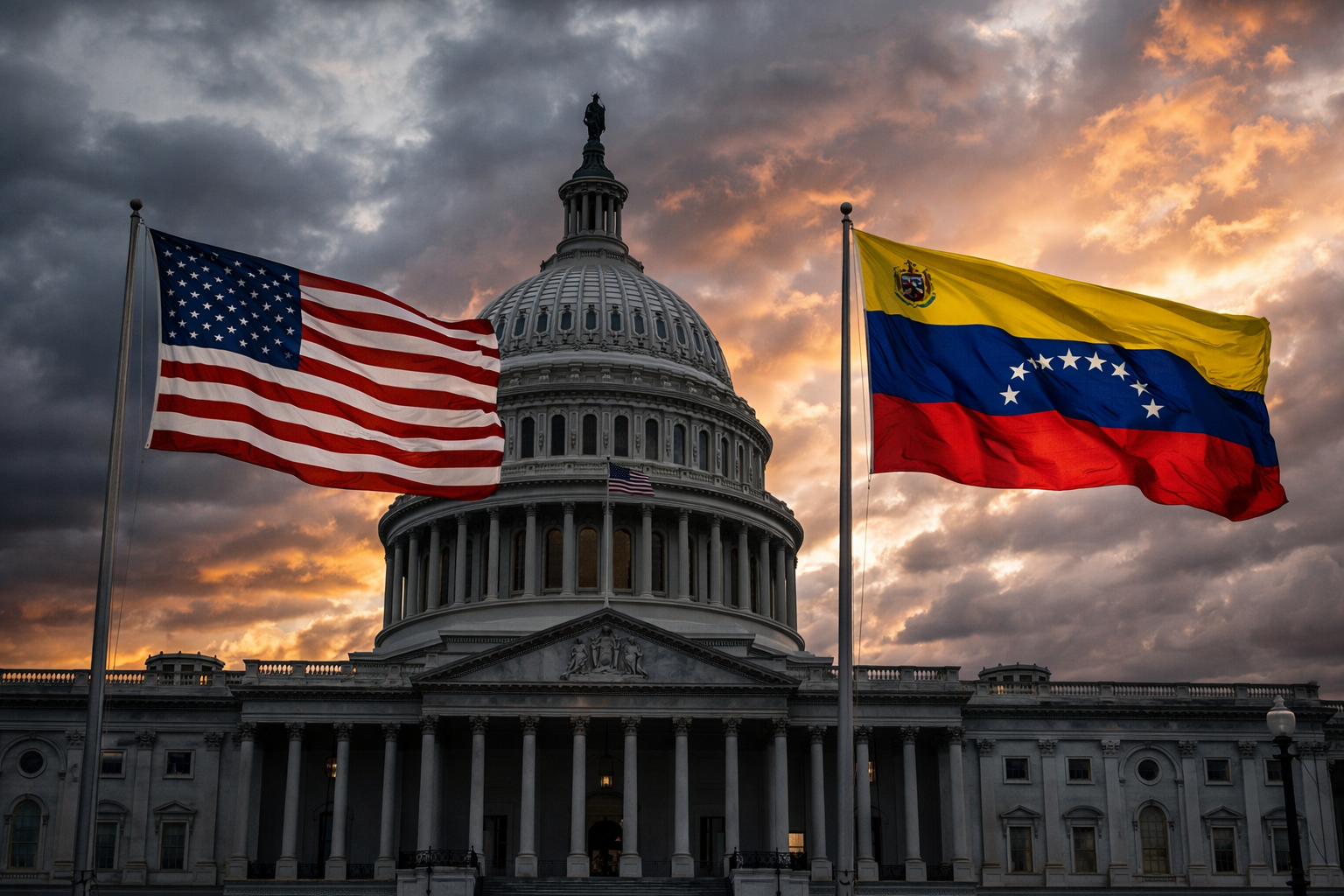
United Nations, January 5, 2026 — The United Nations Security Council convened an emergency session on Monday to address the rapidly escalating tensions between the United States and Venezuela following a controversial U.S. military operation that removed Venezuela President Nicolás Maduro from power and transported him to the United States to face longstanding criminal charges.
United Nations | January 5, 2026
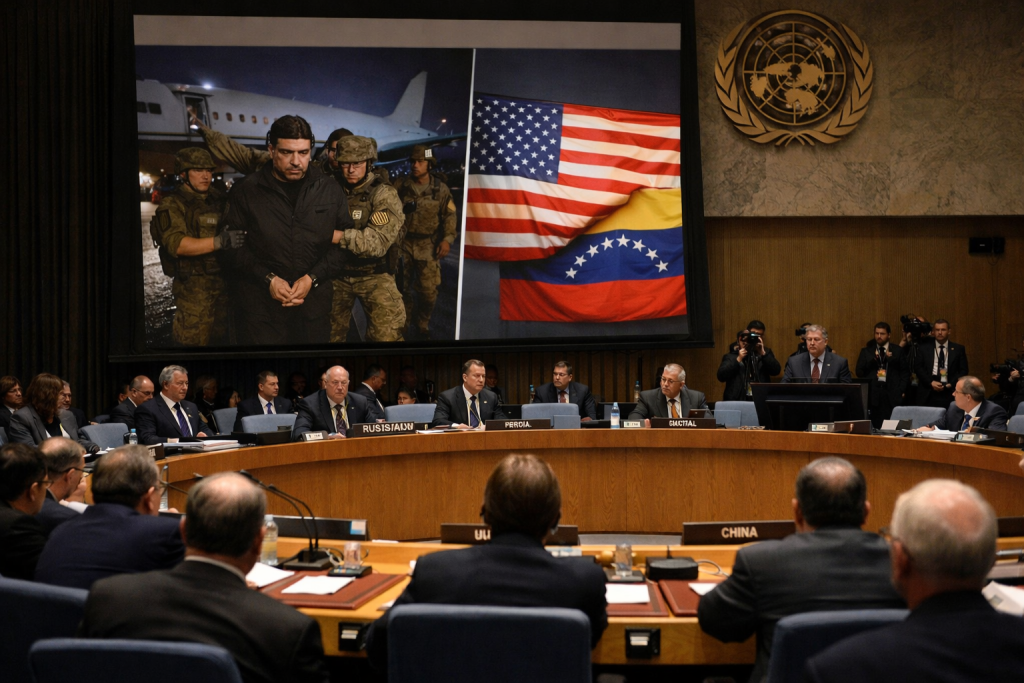
The United Nations Security Council held an emergency session on Monday to address escalating tensions between the United States and Venezuela following a controversial U.S. military operation that removed Venezuelan President Nicolás Maduro from power and transferred him to the United States to face longstanding criminal charges.
The emergency meeting was requested by Colombia, with support from Russia and China, and backed by Venezuela’s mission to the United Nations. Discussions were held under the agenda item “Threats to International Peace and Security,” highlighting the seriousness of the unfolding crisis.
Global Scrutiny Over U.S. Military Action
At the center of the dispute are U.S. military strikes carried out on January 3, which U.S. officials described as part of a long-running effort to enforce narcotics trafficking and terrorism-related charges against Maduro. Washington maintains that the operation was justified under international and domestic legal frameworks.
However, Venezuelan authorities and several international partners have strongly condemned the action, calling it a violation of national sovereignty and international law. Critics warn that the operation could set a troubling precedent for unilateral military interventions against sitting heads of state.
UN Secretary-General Warns of “Dangerous Precedent”
U.N. Secretary-General António Guterres expressed deep concern over the situation, cautioning that the incident could establish a “dangerous precedent” in global affairs.
“If unchecked, such unilateral actions risk undermining the foundational principles of the international system,” Guterres said, emphasizing the importance of respecting sovereignty and international legal norms.
Divided International Response
International reaction to the U.S. operation has been sharply divided. Several governments have openly condemned the intervention as unlawful, while others have stopped short of criticism, instead urging de-escalation, restraint, and diplomatic dialogue to prevent further instability in the region.
Meanwhile, Venezuela’s interim authorities, installed following Maduro’s removal, have stated they are open to negotiations with the United States. Despite this, they continue to assert Venezuela’s sovereignty and demand international recognition.
A Critical Moment for Global Stability
As the Security Council deliberates, diplomats are weighing competing priorities — respect for national sovereignty, accountability for alleged crimes, and the urgent need to prevent further violence across Latin America.
The emergency session marks a pivotal moment that could reshape geopolitical dynamics in the Western Hemisphere and influence how international law is applied in future conflicts involving major powers.
The outcome of the discussions may have lasting consequences not only for U.S.–Venezuela relations but also for the credibility and authority of the United Nations in managing global crises.