

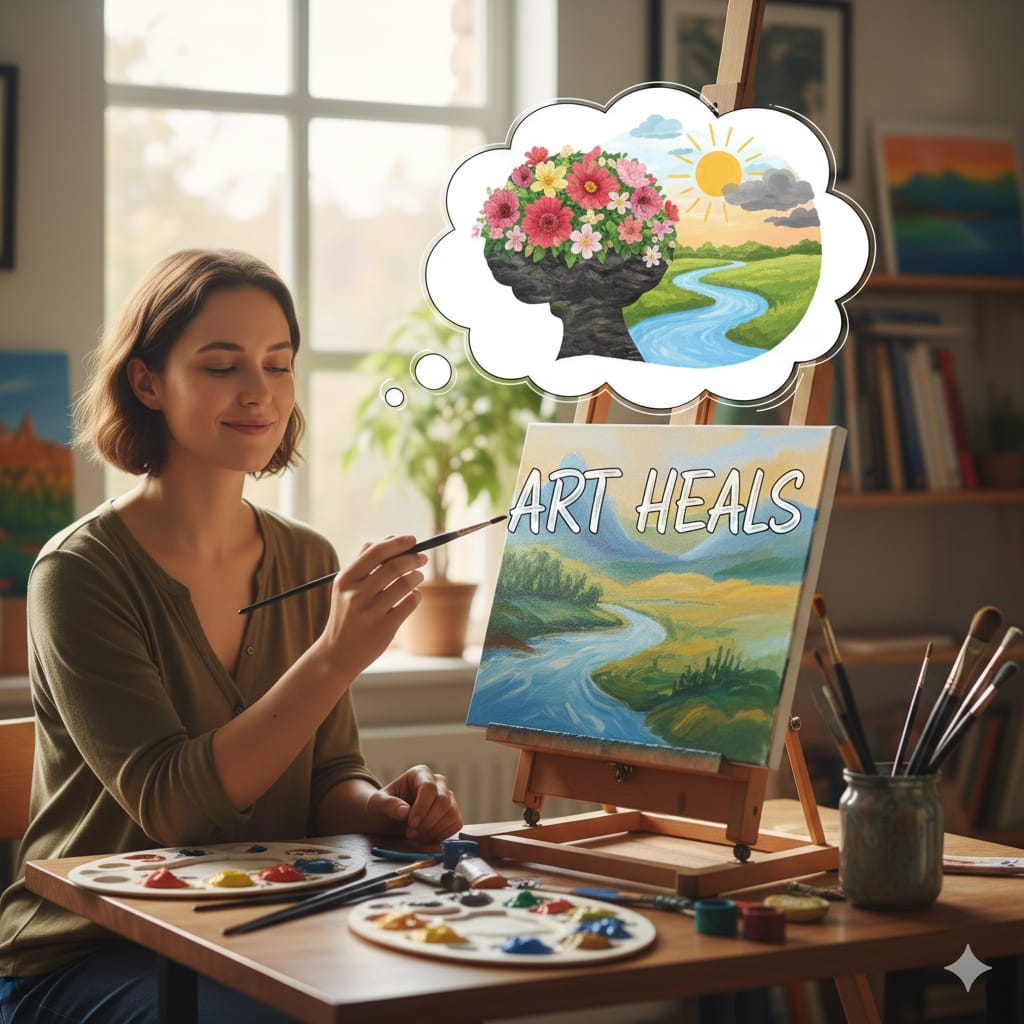
In today’s fast-paced world, stress, anxiety, and emotional pressure have become common problems for people of all ages. While many turn to medication or therapy, creative activities like painting are gaining recognition as powerful tools for improving mental health. Painting is not only an art form but also a form of self-expression that helps calm the mind and heal emotions.
Painting as a Form of Self-Expression
Painting allows individuals to express thoughts and feelings that are often difficult to put into words. Through colors, shapes, and patterns, a person can release hidden emotions such as sadness, anger, or joy. This emotional release helps reduce mental burden and promotes emotional balance. For many people, painting becomes a safe space where they can be completely honest with themselves.
Reduces Stress and Anxiety
One of the biggest mental health benefits of painting is stress reduction. When a person focuses on painting, the mind shifts away from worries and negative thoughts. This state of deep focus, often called “flow,” helps lower stress levels and relax the brain. The repetitive movement of brush strokes and the choice of soothing colors can create a calming effect similar to meditation.
Boosts Mood and Emotional Well-Being
Painting stimulates the brain to release dopamine, a chemical associated with pleasure and happiness. Completing a painting, even a simple one, gives a sense of achievement and satisfaction. This improves mood and helps fight feelings of sadness or depression. Regular engagement in painting can lead to a more positive outlook on life.
Improves Focus and Mindfulness
Painting encourages mindfulness by keeping the mind focused on the present moment. Instead of worrying about the past or future, the artist concentrates on the canvas, colors, and technique. This improves attention span and mental clarity. Mindfulness through painting is especially helpful for people who struggle with overthinking.
Builds Confidence and Self-Esteem
Learning and practicing painting helps individuals recognize their creative abilities. As skills improve over time, confidence naturally increases. Appreciating one’s own artwork, regardless of perfection, builds self-esteem and self-acceptance. This is particularly beneficial for students and individuals dealing with self-doubt.
Helps in Emotional Healing
Painting is often used in art therapy to help people cope with trauma, grief, and emotional pain. Creating art allows emotions to surface gently and safely. Many therapists encourage painting as it helps individuals process emotions and begin the healing journey without pressure or judgment.
One of the best things about painting is that it does not require special talent or expensive tools. Anyone can start with basic materials and simple techniques. Age, background, or experience does not matter. This accessibility makes painting an excellent mental health activity for everyone.
Conclusion
Painting is much more than a hobby—it is a powerful tool for improving mental health. From reducing stress and anxiety to boosting confidence and emotional healing, painting offers numerous psychological benefits. By making painting a regular part of life, individuals can nurture their mental well-being and find peace through creativity.